
Quick answer: Warning signs can include guaranteed results, pressure to act immediately, requests for fees before a debt is settled, or refusal to put terms in writing. Verify the company, understand the fees and risks, and keep copies of every agreement.
Stay Informed, Stay Protected
Dealing with debt is stressful enough, but falling victim to a scam can make things even worse. While legitimate debt settlement services exist, the industry is also full of fraudsters who prey on those looking for financial relief.
This guide will help you recognize common debt settlement scams, understand how they work, and—most importantly—learn how to protect yourself from falling into financial traps.
How Debt Settlement Scams Exploit Financial Distress
Debt settlement can provide relief by negotiating with creditors to reduce the amount owed. However, as consumer debt has risen, so have scams promising quick fixes. While some companies are reputable, others use deceptive tactics to exploit people’s desperation.
Knowing how to spot red flags can help you make informed and safe financial decisions.
5 Common Debt Settlement Scams & How to Avoid Them
1. Upfront Fees Without Results
🚨 The Scam: Fraudulent companies charge hefty fees before providing any service, then disappear without settling your debt.
✅ How to Avoid It:
- Know Your Rights: U.S. law prohibits debt settlement companies from charging fees before successfully settling a debt.
- Check Reviews: Verify the company’s reputation on sites like the Better Business Bureau (BBB) and Trustpilot.
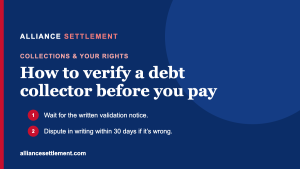
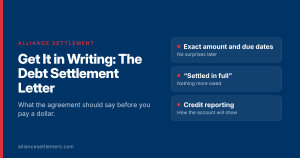
- Get Everything in Writing: Avoid verbal agreements and demand documented terms before signing anything.
2. False Promises of Quick Debt Relief
🚨 The Scam: Companies claim they can erase your debt in weeks, regardless of your financial situation.
✅ How to Avoid It:
- Be Realistic: Legitimate companies will provide a timeline based on your specific debts and circumstances.
- Seek Multiple Opinions: Compare different debt settlement services to gauge realistic expectations.
3. High-Pressure Sales Tactics
🚨 The Scam: Scammers create a false sense of urgency, pressuring you to sign up immediately or risk losing your chance at debt relief.
✅ How to Avoid It:
- Take Your Time: Legitimate companies won’t rush you into decisions.
- Ask Questions: A reputable provider will answer all your concerns clearly and patiently.
4. Misleading Claims About Credit Repair
🚨 The Scam: Some companies claim they can remove negative marks from your credit report or guarantee settlements with specific creditors.
✅ How to Avoid It:
- Know the Truth: No company can legally erase accurate negative information from your credit report.
- Verify Licenses: Ensure the company is licensed and complies with debt settlement regulations.
5. Advice to Stop Paying Your Bills
🚨 The Scam: Some companies instruct clients to stop making payments, claiming it will force creditors to settle. This strategy can severely damage your credit score and lead to legal consequences.
✅ How to Avoid It:
- Keep Paying Your Bills: Continue payments until a legitimate debt settlement agreement is reached.
- Monitor Communications: Stay in touch with your creditors to track any changes.
How to Protect Yourself from Debt Settlement Scams
🛡 Do Your Research: Check BBB, Trustpilot, and Consumer Financial Protection Bureau (CFPB) reviews before signing up.
🛡 Verify Credentials: Ensure the company is licensed and follows state or federal regulations.
🛡 Read the Fine Print: Carefully review contracts, including all fees, timelines, and expected results.
🛡 Consult a Financial Expert: Speak with a financial advisor or nonprofit credit counseling agency before committing to any debt settlement program.
Staying Safe in a Changing Landscape
As awareness grows and consumer protection laws improve, debt settlement scams are becoming easier to detect. However, fraudsters continue evolving their tactics. Staying informed and vigilant will help you navigate debt relief safely and effectively.
Take Control of Your Financial Future
Debt settlement can be a useful tool, but only if you choose the right provider. By recognizing red flags, researching companies, and protecting yourself from scams, you can confidently work toward a debt-free future.🔹 Don’t let scammers make your situation worse—stay informed and take charge of your financial well-being today!
Frequently Asked Questions
What are common warning signs of a debt-relief scam?
Be cautious of guaranteed debt reduction, high-pressure tactics, requests for payment by gift card or wire to an individual, and claims that all creditor contact or lawsuits will stop.
Can a debt settlement company charge fees before settling a debt?
For covered telemarketed debt-relief services, federal rules restrict when fees may be collected. Ask what rules apply to the service, when each fee is due, and what event triggers it; review the contract before enrolling.
How can I check a debt-relief company before signing?
Search for complaints and licensing or registration information where relevant, verify the business’s contact details, read the full contract, and ask for fee and cancellation terms in writing. Do not rely on a verbal promise.