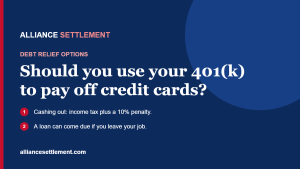
Should You Use Your 401(k) to Pay Off Credit Card Debt?
Cashing out or borrowing from a 401(k) to pay credit cards can cost taxes, a 10% penalty and lost growth. How each option works and what to try first.

Cashing out or borrowing from a 401(k) to pay credit cards can cost taxes, a 10% penalty and lost growth. How each option works and what to try first.
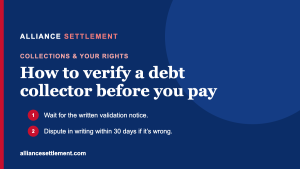
How to check that a debt collector and the debt are real before you pay: the validation notice, the 30-day written dispute, licensing checks and scam warning signs.
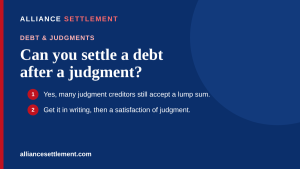
Yes, many creditors still settle after a court judgment. What a judgment changes, federal limits on wage garnishment and bank levies, and how to settle a judgment safely.
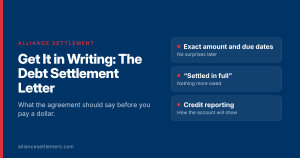
A debt settlement letter is the creditor’s written agreement to accept less than you owe. What it should say, what to check before you pay, and red flags.

What happens month by month when you stop paying credit cards: late fees, credit reporting at 30 days, penalty APR, charge-off at about 180 days, collections and lawsuits, plus your options at each stage.
Comparing debt settlement companies? Ask these 10 questions, watch for these red flags, and know the FTC rule every legitimate company follows.

You can often settle debt yourself for less than you owe. Here is a step-by-step guide to negotiating with creditors, getting the deal in writing, and when to get help.

A debt in collections is still a debt you can deal with. Here is what happens when a debt goes to collections and what to do next, step by step.
New York gives consumers some of the strongest debt protections in the country. Learn how the 3-year statute of limitations and the Consumer Credit Fairness Act work.
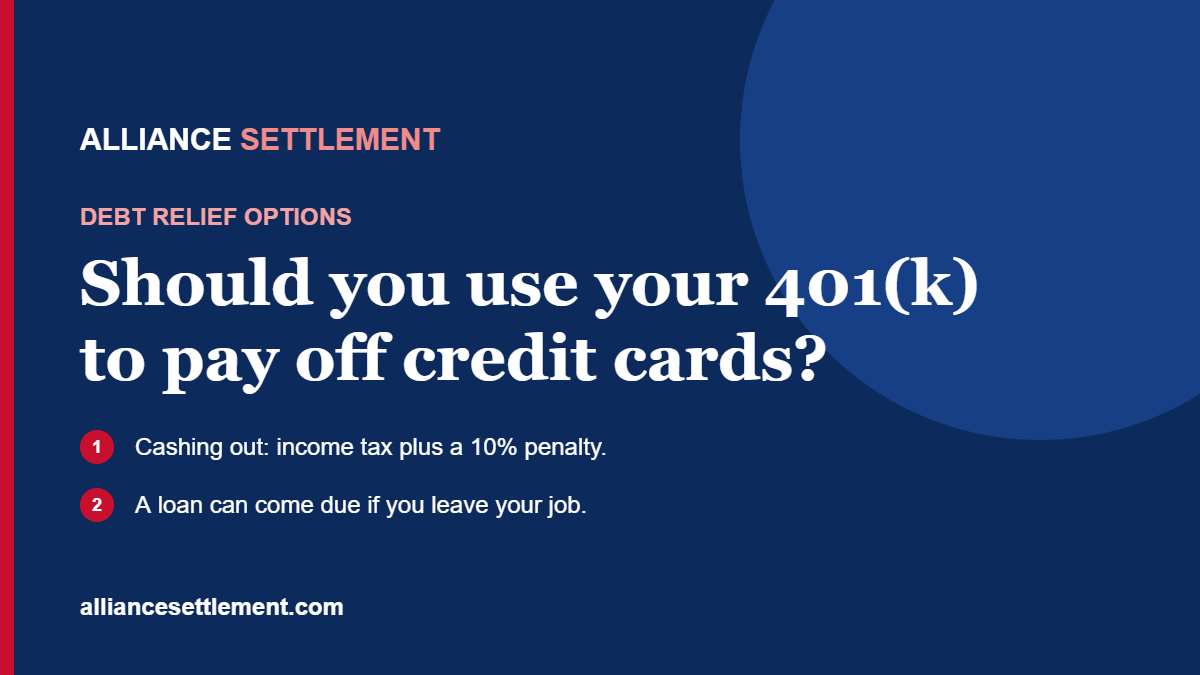
Cashing out or borrowing from a 401(k) to pay credit cards can cost taxes, a 10% penalty and lost growth. How each option works and what to try first.
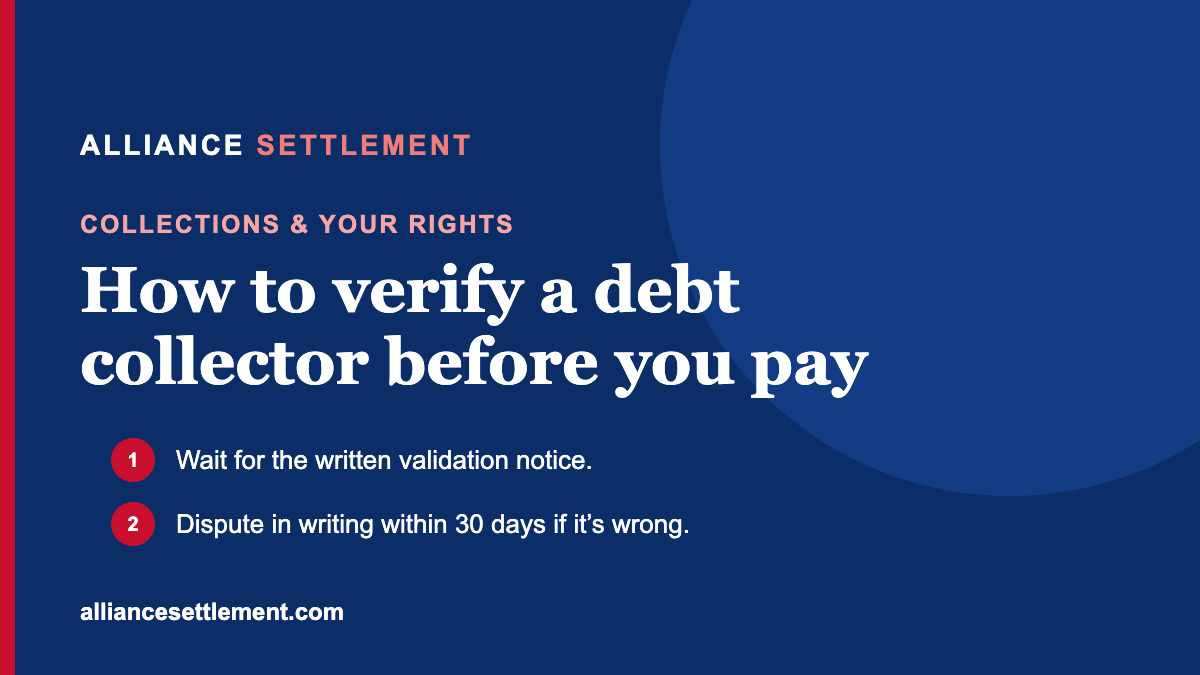
How to check that a debt collector and the debt are real before you pay: the validation notice, the 30-day written dispute, licensing checks and scam warning signs.
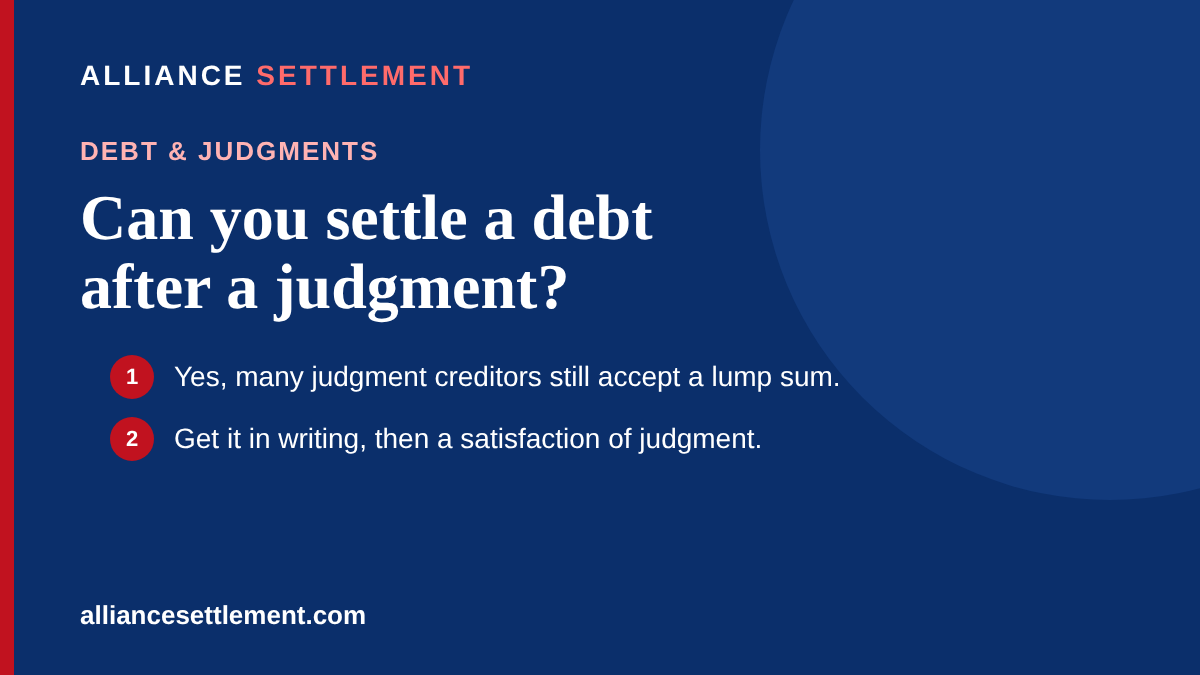
Yes, many creditors still settle after a court judgment. What a judgment changes, federal limits on wage garnishment and bank levies, and how to settle a judgment safely.
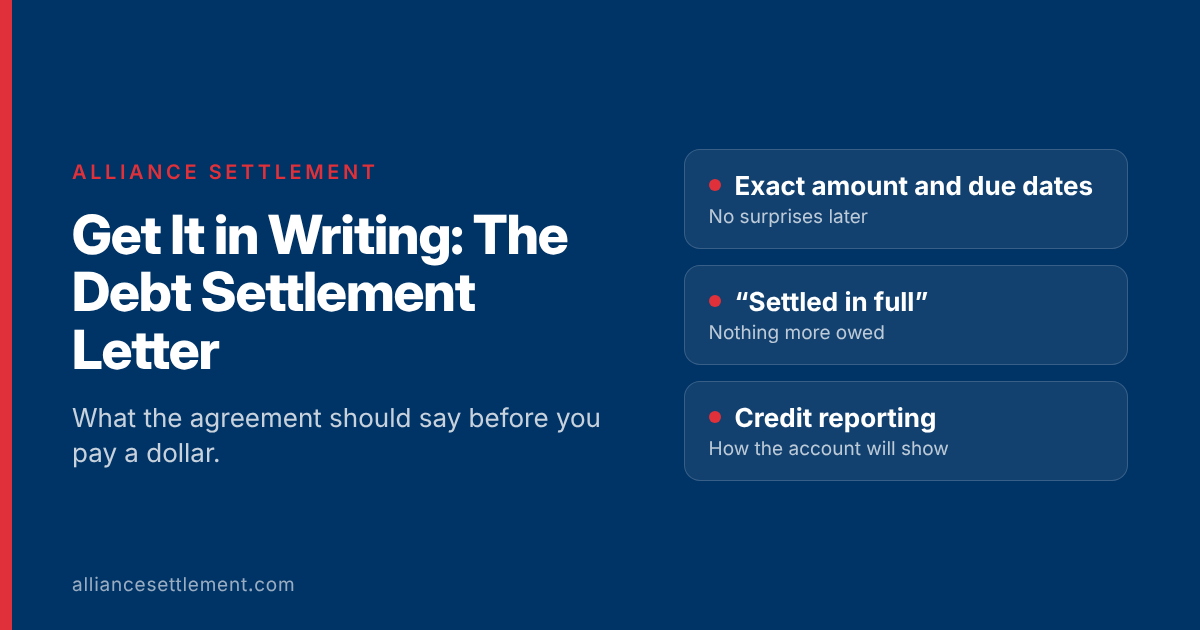
A debt settlement letter is the creditor’s written agreement to accept less than you owe. What it should say, what to check before you pay, and red flags.

What happens month by month when you stop paying credit cards: late fees, credit reporting at 30 days, penalty APR, charge-off at about 180 days, collections and lawsuits, plus your options at each stage.
Comparing debt settlement companies? Ask these 10 questions, watch for these red flags, and know the FTC rule every legitimate company follows.

You can often settle debt yourself for less than you owe. Here is a step-by-step guide to negotiating with creditors, getting the deal in writing, and when to get help.

A debt in collections is still a debt you can deal with. Here is what happens when a debt goes to collections and what to do next, step by step.
New York gives consumers some of the strongest debt protections in the country. Learn how the 3-year statute of limitations and the Consumer Credit Fairness Act work.