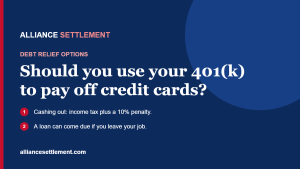
Should You Use Your 401(k) to Pay Off Credit Card Debt?
Cashing out or borrowing from a 401(k) to pay credit cards can cost taxes, a 10% penalty and lost growth. How each option works and what to try first.

Cashing out or borrowing from a 401(k) to pay credit cards can cost taxes, a 10% penalty and lost growth. How each option works and what to try first.
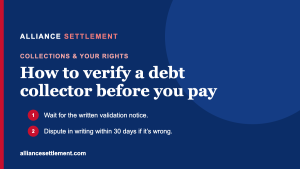
How to check that a debt collector and the debt are real before you pay: the validation notice, the 30-day written dispute, licensing checks and scam warning signs.
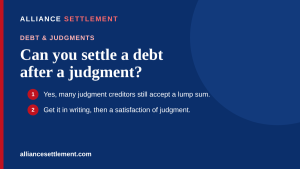
Yes, many creditors still settle after a court judgment. What a judgment changes, federal limits on wage garnishment and bank levies, and how to settle a judgment safely.
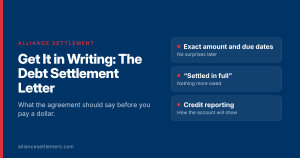
A debt settlement letter is the creditor’s written agreement to accept less than you owe. What it should say, what to check before you pay, and red flags.

What happens month by month when you stop paying credit cards: late fees, credit reporting at 30 days, penalty APR, charge-off at about 180 days, collections and lawsuits, plus your options at each stage.
Comparing debt settlement companies? Ask these 10 questions, watch for these red flags, and know the FTC rule every legitimate company follows.

You can often settle debt yourself for less than you owe. Here is a step-by-step guide to negotiating with creditors, getting the deal in writing, and when to get help.

A debt in collections is still a debt you can deal with. Here is what happens when a debt goes to collections and what to do next, step by step.
New York gives consumers some of the strongest debt protections in the country. Learn how the 3-year statute of limitations and the Consumer Credit Fairness Act work.
If you’re overwhelmed by debt, both bankruptcy and debt settlement offer paths to relief. This article breaks down the pros, cons, and key differences so you can choose the option that fits your financial future.

Dealing with creditors doesn’t have to be intimidating. This guide offers practical tips for communicating effectively, staying calm, and protecting your financial interests during tough conversations.

Recognizing early signs of financial stress can help you take control before things spiral. Learn the key warning signals and how to proactively protect your financial well-being.

Think you need a high salary to succeed financially? Think again. This article shares practical steps young professionals can take—like budgeting, saving, and smart investing—to achieve financial goals even on a modest income.

Financial independence empowers women to make choices without financial constraints, build long-term security, and live life on their own terms. This article explores practical strategies like budgeting, investing, and retirement planning to help women overcome financial barriers and create lasting wealth.

With changing economic conditions, rising inflation, and evolving retirement plans, securing a comfortable future requires strategic preparation. Whether you’re decades away from retirement or nearing it, understanding investment strategies, passive income opportunities, and adaptive planning is crucial. Explore how to navigate uncertainty and build a resilient retirement strategy that ensures long-term financial stability.

Financial independence isn’t just about earning more—it’s about continuously growing your skills and knowledge. From professional certifications to self-education in personal finance, investing in yourself can open doors to new opportunities and greater financial security. Discover key strategies to enhance your earning potential, develop high-income skills, and future-proof your career in an evolving economy.

Financial stress can take a toll on both mental and physical well-being, but mindfulness offers a powerful way to regain control. By practicing awareness, reducing impulsive spending, and fostering a positive money mindset, individuals can make better financial decisions and feel more at ease with their financial journey. Learn how mindfulness techniques can help you build resilience, improve budgeting habits, and create a healthier relationship with money.

The past five years have highlighted the need for financial resilience. From economic downturns to rising inflation, those who saved, diversified income, and invested wisely emerged stronger. This article explores key lessons and strategies to help you build lasting financial security.